Kira Mei is a certified personal trainer and nutrition coach helping UK adults over 40 lose weight sustainably. She focuses on calorie deficit done simply — real food, real life, no crash diets.
Losing weight by creating a calorie deficit can be overwhelming, especially in midlife when metabolism slows and hormones shift. A sustainable deficit typically leads to 0.5 to 1kg weight loss per week, but focusing on food quality and satiety instead of strict calorie counts can make the process easier and more effective. Using familiar UK foods and meal structures designed for the 40+ body helps maintain energy and fullness while slimming down.
Why You Don't Have to Count Calories to Lose Weight
A calorie deficit is defined as consuming fewer calories than your body burns in a day, prompting it to use stored fat for energy. The NHS recommends focusing on food quality and portion control rather than strict calorie counting to create a manageable deficit. Research indicates that people often underestimate calorie intake when tracking, leading to frustration and yo-yo dieting.
The NHS Eatwell Guide highlights balanced portions from different food groups, which naturally reduce excess calorie intake while providing essential nutrients. This approach helps maintain energy levels and supports metabolic health, particularly important after 40 when muscle mass tends to decline. By prioritising vegetables, whole grains, lean proteins, and healthy fats, the body receives satiety-promoting nutrients without excess calories.
Restricting calories through whole foods rather than processed snacks or sugary drinks also improves mood and reduces cravings, addressing a common pitfall in weight loss. This food-first strategy aligns with natural hunger cues, making dieting less stressful and more sustainable in the UK context. For more on calorie deficit UK, see our guide.
The Food Choices That Naturally Create a Calorie Deficit
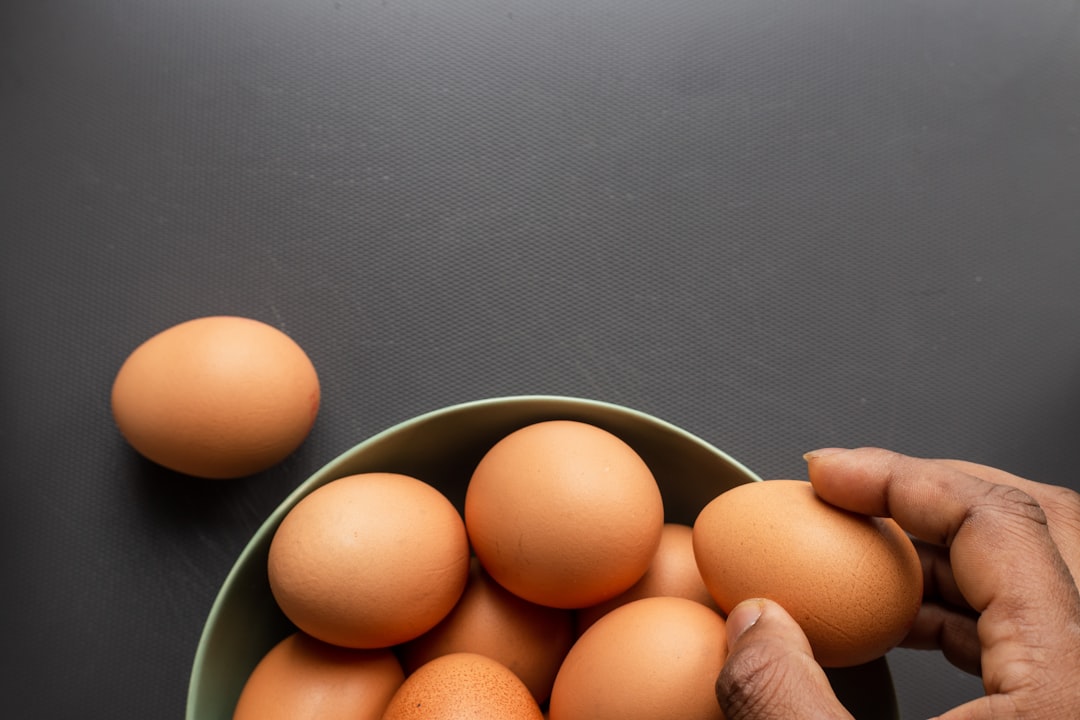
Choosing foods that fill you up without excess calories is the simplest way to create a calorie deficit naturally. Start with vegetables rich in fibre and water, such as cabbage, broccoli, and carrots, which add volume to meals but are low in calories. Include protein sources like lean chicken, turkey, eggs, and legumes, which increase satiety and help preserve muscle mass during weight loss. The British Nutrition Foundation explains that protein requires more energy to digest and keeps you feeling full longer.
Incorporate whole grains like oats, brown rice, and wholemeal bread, which provide steady energy and fibre. Swap sugary snacks for fresh fruit or unsweetened yoghurt to satisfy sweet cravings without the calorie spike. Planning meals around these foods creates natural portion control because they take longer to eat and satisfy hunger more effectively than processed alternatives.
Shopping at UK supermarkets such as Tesco or Sainsbury’s allows access to affordable fresh produce and lean proteins. Opt for seasonal vegetables and frozen options to save money without sacrificing nutrition. Drinking plenty of water and herbal teas instead of sugary drinks further lowers calorie intake.
This food-first approach does not rely on counting calories but on making choices that naturally reduce them while satisfying hunger and energy needs.
If you'd rather not figure this out alone, stop paying someone to tell you what to eat and build your own nutrition plan with the Kira Mei Nutrition Blueprint. For just £49.99, this educational programme teaches you how to create personalised meal plans that fit your lifestyle and goals — no personal trainers, no gimmicks. Get the Nutrition Blueprint now and realise how simple it is to take control.
How to Build Meals That Keep You Full on Fewer Calories
The three biggest mistakes that reduce fullness on a calorie deficit are neglecting protein, ignoring fibre, and relying on high-glycaemic foods. Low protein intake causes quicker hunger and muscle loss, which slows metabolism. The British Nutrition Foundation reports that protein increases satiety hormones and reduces appetite.
Ignoring fibre-rich foods like vegetables, whole grains, and pulses leads to less bulk in the digestive system, making you feel hungry sooner. Fibre also supports gut health and blood sugar control. High-glycaemic foods such as white bread, sugary cereals, and sweets cause rapid blood sugar spikes and crashes, increasing hunger and cravings.
To build filling meals, always include a source of lean protein, a generous portion of vegetables or salad, and a complex carbohydrate with fibre. For example, grilled chicken with steamed broccoli and a small serving of brown rice. Snacks can include a boiled egg or a handful of nuts, which provide protein and healthy fats.
According to the NHS calorie guidelines: The NHS recommends an average of 2,000 calories per day for women and 2,500 for men, though this varies based on your size and activity level.
By structuring meals this way, you stay full longer on fewer calories, making a calorie deficit easier to maintain without feeling deprived.
The UK Supermarket Foods That Do the Heavy Lifting
Contrary to popular belief, affordable supermarket staples can support weight loss effectively. Money Saving Expert UK highlights that frozen vegetables, canned pulses, and whole grains are budget-friendly options that retain nutritional value. These foods can replace more expensive processed meals and reduce overall calorie intake.
For example, frozen spinach and peas can be added to soups or stews, increasing volume and fibre. Canned chickpeas or lentils are great protein-rich additions to salads and curries. Brown basmati rice or wholemeal pasta provide sustained energy and bulk.
Using supermarket own-brand lean meats or fish, like reduced-fat turkey breast or fresh cod, offers protein without high calories. UK supermarkets also stock low-fat dairy products such as natural yoghurt and semi-skimmed milk, which help build meals that promote fullness.
By planning weekly shopping lists around these foods, you can create calorie-deficit meals that support weight loss without overspending or starvation.
According to the NHS physical activity guidelines: The NHS recommends adults do at least 150 minutes of moderate activity or 75 minutes of vigorous activity per week.
Kira Mei takes the guesswork out of getting fit after 40 — no generic plans, no wasted effort.
Your No-Track Weekly Eating Plan
Choose three meals a day plus two snacks, focusing on simple UK ingredients. For breakfast, try porridge topped with fresh berries and a spoonful of natural yoghurt. Lunch can be a wholemeal sandwich with lean chicken, salad, and a piece of fruit. Dinner might be grilled fish with steamed vegetables and a small portion of brown rice.
Snacks should include protein and fibre, such as a boiled egg or carrot sticks with hummus. Drink water throughout the day and limit sugary drinks. Plan meals on Sunday for the week ahead to avoid last-minute unhealthy choices.
Aim for 5 portions of vegetables and fruit daily, include a protein source in every meal, and swap refined carbs for whole grains. This approach creates a calorie deficit naturally and supports sustained energy. Learn more about the Kira Mei Nutrition Blueprint and how it can help you get started.
Frequently Asked Questions
How fast can you lose weight on a calorie deficit in the UK?
You can typically lose between 0.5 and 1 kilogram per week when maintaining a calorie deficit in the UK. This rate balances effective fat loss with muscle preservation and is considered safe and sustainable by NHS guidelines.
Is it necessary to count calories to lose weight effectively in the UK?
No, it is not necessary to count calories strictly. The NHS Eatwell Guide recommends focusing on balanced portions and nutrient-rich foods, which naturally create a calorie deficit without the stress of tracking numbers.
What UK foods help keep you full while losing weight on a calorie deficit?
Protein-rich foods like lean chicken and eggs, fibre-packed vegetables such as broccoli and carrots, and whole grains like oats and brown rice help maintain fullness. The British Nutrition Foundation confirms protein increases satiety and supports muscle during weight loss.
Can you lose weight on a budget using UK supermarket foods?
Yes, affordable staples like frozen vegetables, canned pulses, and whole grains found in UK supermarkets can support weight loss effectively. Money Saving Expert UK highlights these as cost-efficient options for nutritious, filling meals.
What is a simple weekly eating plan for losing weight without tracking calories in the UK?
A simple plan includes three balanced meals and two snacks daily, focusing on wholemeal porridge, lean proteins, vegetables, whole grains, and fruits. Drinking water and planning meals ahead helps maintain a calorie deficit naturally.
Stop paying someone to tell you what to eat. For £49.99, get the Kira Mei Nutrition Blueprint and learn how to build your own effective nutrition plans that work for you — no personal trainers, no nonsense.
Disclaimer: This article is for informational purposes only and does not constitute medical, nutritional, or professional fitness advice. Always consult a qualified healthcare professional before making changes to your diet or exercise routine.