
Kira Mei is a certified personal trainer and nutrition coach helping UK adults over 40 lose weight sustainably. She focuses on calorie deficit done simply — real food, real life, no crash diets.
Starting to lose weight can feel overwhelming, especially if calorie counting causes stress. This guide breaks down how to lose weight step by step in the UK using a practical, food-focused method. By choosing everyday British foods and structuring meals smartly, you can create a calorie deficit naturally. This approach is evidence-based and sustainable, helping you feel satisfied while steadily reaching your weight goals. For more on fat loss basics UK, see our guide.
Why You Don't Have to Count Calories to Lose Weight
Calorie counting is the process of tracking every calorie consumed and expended to create a calorie deficit. However, relying solely on calorie numbers ignores food quality and satiety. The NHS Eatwell Guide shows that a balanced diet with plenty of vegetables, whole grains, and lean proteins supports weight loss without meticulous calorie tracking. Foods high in fibre and protein increase fullness, reducing overall intake naturally. For example, swapping processed snacks for fresh vegetables or fruit can cut hundreds of calories daily without feeling deprived. This approach reduces the mental load and makes weight loss easier to maintain.
The Food Choices That Naturally Create a Calorie Deficit
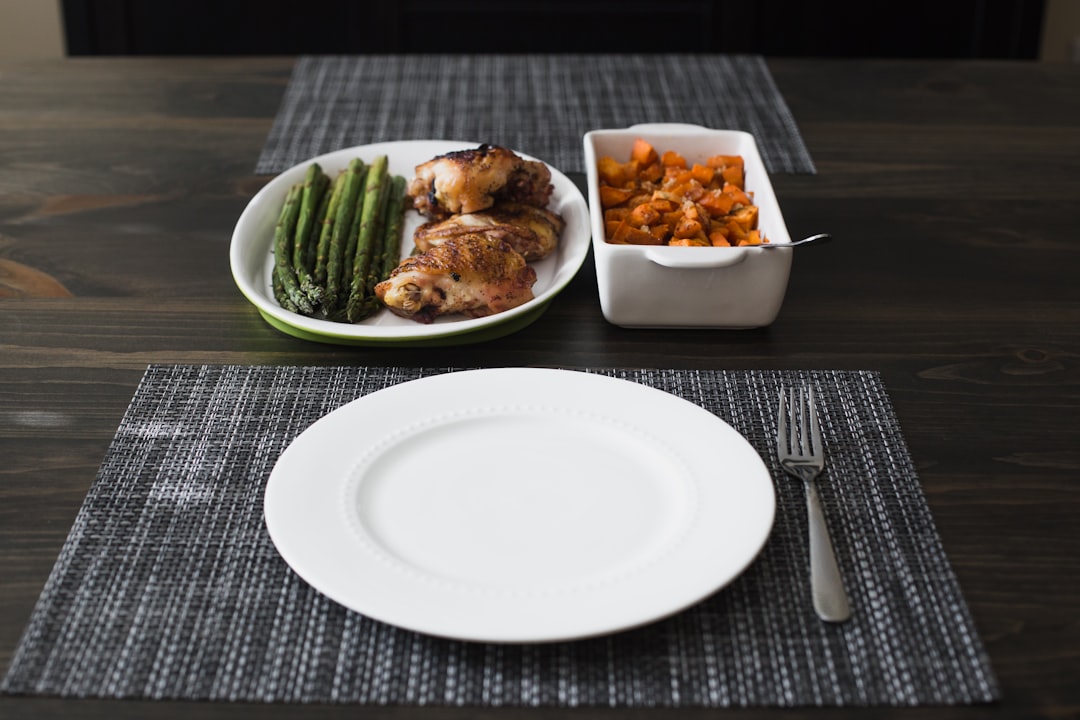
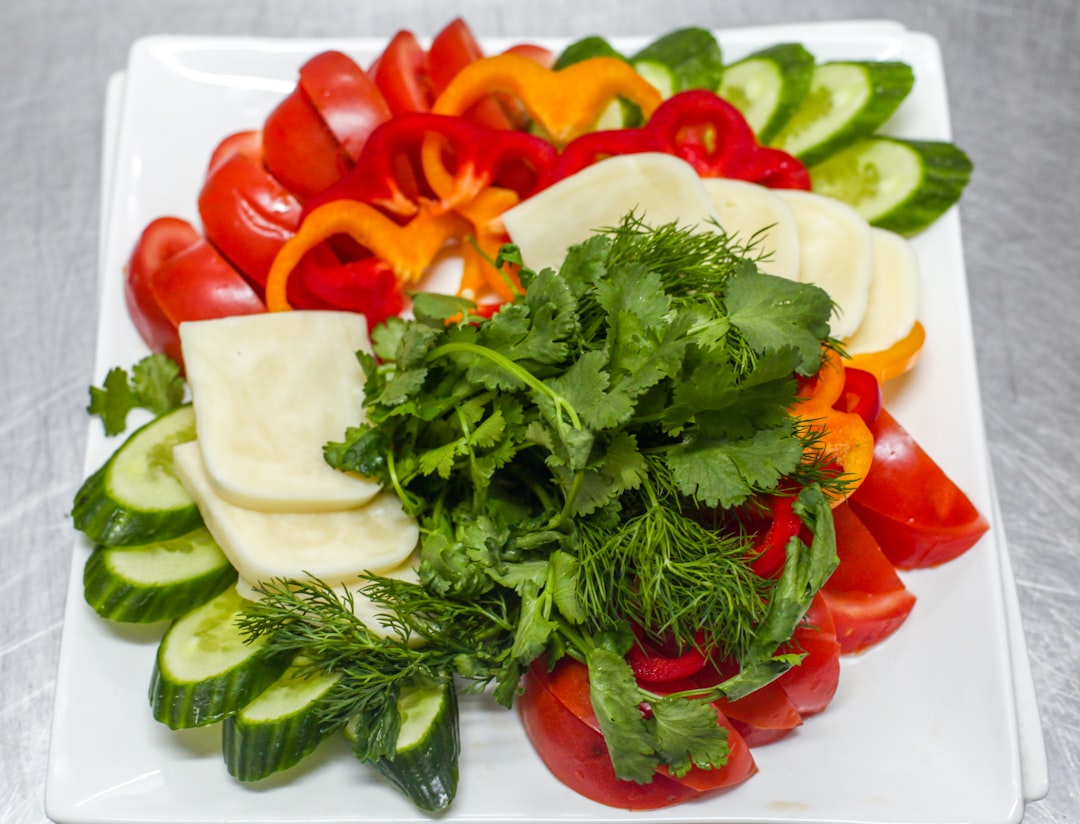
Choosing foods that fill you up with fewer calories is key. Start with the plate: fill half with vegetables and salad, a quarter with lean protein like chicken breast or beans, and a quarter with whole grains such as brown rice or oats. Eating three balanced meals and two small snacks spaced 3–4 hours apart maintains steady energy and prevents overeating later. British supermarkets like Tesco and Sainsbury’s stock affordable frozen vegetables and lean cuts that support this pattern. Incorporating protein-rich foods at every meal improves satiety, as proteins trigger fullness hormones more effectively than fats or carbs. This method naturally reduces calorie intake without counting because you focus on volume and nutrient density.
How to Build Meals That Keep You Full on Fewer Calories
The three common mistakes that reduce fullness and increase calorie intake are: relying on refined carbs, skipping protein, and eating irregularly. Refined carbs like white bread and pastries are digested quickly, leading to rapid hunger spikes. Skipping protein means missing out on its high satiety effect; protein stimulates hormones that suppress appetite according to the British Nutrition Foundation protein satiety. Eating irregularly leads to excessive hunger, increasing the risk of overeating. Building meals around whole foods including vegetables, lean protein, and whole grains slows digestion, keeps blood sugar stable, and controls hunger. For example, a breakfast of porridge with natural yoghurt and berries keeps you full longer than a sugary cereal.
The UK Supermarket Foods That Do the Heavy Lifting
Contrary to popular belief, weight loss doesn’t require expensive or exotic foods. Budget-friendly options at UK supermarkets can support your goals effectively. The Money Saving Expert UK supermarket foods list includes staples like frozen peas, canned beans, oats, and seasonal vegetables, all low-cost and nutrient-dense. These foods provide fibre, protein, and bulk to meals, helping you feel full on fewer calories. Shopping at discount chains or choosing own-brand products can cut costs without sacrificing quality. Planning meals around these core ingredients ensures you save money while eating well and losing weight sustainably.
Stop paying personal trainers to tell you what you can learn yourself. The Kira Mei full-stack blueprint bundle teaches you how to build your own effective, no-nonsense weight loss programmes from scratch. For just £49.99 or £79.99, you get the full educational package to take control and ditch expensive, cookie-cutter plans.
Your No-Track Weekly Eating Plan
Start your week by planning three meals and two snacks per day that follow the plate model: half vegetables, quarter protein, quarter whole grains. Prepare simple dishes like vegetable stir-fries with chicken or lentil soups in advance. Snack on fruit, nuts, or natural yoghurt between meals. Set a goal to drink at least 1.5 litres of water daily and avoid sugary drinks. Keep meal portions moderate but satisfying, and eat slowly to recognise fullness cues. Review your progress every Sunday and adjust portion sizes if weight loss stalls.
Frequently Asked Questions
How do I start losing weight step by step in the UK without counting calories?
Start by focusing on food quality and portion control rather than counting calories. Use the NHS Eatwell Guide to fill half your plate with vegetables, a quarter with lean protein, and a quarter with whole grains. Eating balanced meals and snacks spaced every 3–4 hours naturally creates a calorie deficit without tracking numbers.
What are the best UK supermarket foods for weight loss?
Affordable UK supermarket foods like frozen vegetables, canned beans, oats, and seasonal produce are excellent for weight loss. According to Money Saving Expert, these items provide fibre and protein that promote fullness and help reduce calorie intake while being budget-friendly.
Why is protein important for feeling full when losing weight?
Protein increases feelings of fullness by stimulating appetite-suppressing hormones. The British Nutrition Foundation highlights that including protein at every meal helps reduce hunger and calorie intake, supporting sustainable weight loss.
How often should I eat to lose weight effectively in the UK?
Eating three balanced meals and two small snacks spaced 3–4 hours apart helps maintain energy and prevents excessive hunger. This regular pattern supports appetite control and calorie deficit without the need for strict calorie counting.
Can I lose weight in the UK without expensive diet plans or products?
Yes, weight loss can be achieved using budget-friendly, nutrient-dense foods widely available in UK supermarkets. Prioritising whole foods like vegetables, lean proteins, and whole grains supports steady weight loss without costly diets or supplements.
Stop paying someone to tell you this. Get the Kira Mei full-stack blueprint bundle — learn to build your own plans for just £49.99 or £79.99. Take control and say no to overpriced personal trainers and apps.
Disclaimer: This article is for informational purposes only and does not constitute medical, nutritional, or professional fitness advice. Always consult a qualified healthcare professional before making changes to your diet or exercise routine.