
Kira Mei is a certified personal trainer and nutrition coach helping UK adults over 40 lose weight sustainably. She focuses on calorie deficit done simply — real food, real life, no crash diets.
Knowing how many calories to consume daily to lose weight can be confusing, especially for women in the UK balancing busy lives and food preferences. The key lies in creating a manageable calorie deficit through familiar British foods and meal structures rather than obsessing over exact numbers. This approach helps maintain fullness, energy, and enjoyment while supporting weight loss. Understanding portion sizes, protein intake, and simple supermarket swaps can make calorie control feel natural and sustainable. For more on calorie deficit UK, see our guide.
Why You Don't Have to Count Calories to Lose Weight
Calorie counting is the process of tracking the energy value of all foods consumed, but it is not the only way to achieve a calorie deficit. According to the NHS Eatwell Guide, focusing on a balanced plate of vegetables, starchy carbohydrates, protein, and healthy fats naturally controls calorie intake. This method promotes satiety and nutrient intake, which helps reduce overeating. Many women find that learning to recognise portion sizes and prioritising whole foods reduces the need for strict calorie tracking. For example, filling half your plate with non-starchy vegetables and a quarter with lean protein can decrease overall calorie consumption without complex calculations. This approach is supported by NHS guidance and reflects typical British eating patterns.
The Food Choices That Naturally Create a Calorie Deficit
Choosing foods that fill you up on fewer calories is key to a sustainable calorie deficit. Start meals with high-fibre vegetables like broccoli, carrots, and cabbage, which are low in calories but high in volume. Incorporate lean proteins such as chicken breast, eggs, or beans, which increase fullness and reduce total calorie intake. The British Nutrition Foundation highlights protein's role in satiety, showing that meals with adequate protein help control appetite and reduce snacking. Avoid refined carbs and sugary snacks common in many UK diets, swapping these for wholegrain options like brown rice or wholemeal bread from popular UK supermarkets. Timing your meals evenly through the day—three main meals plus one or two light snacks—helps maintain energy and prevents overeating later. These choices create a natural calorie deficit by reducing hunger and curbing cravings.
Stop paying someone to tell you what to eat and how to move. Instead, get the Kira Mei Women’s Blueprint — an educational programme that teaches you how to build your own personalised nutrition and fitness plans. For just £49.99, you’ll learn to ditch the personal trainers and cookie-cutter programmes, gaining control over your own health with clear, no-nonsense guidance.
How to Build Meals That Keep You Full on Fewer Calories
The three biggest mistakes that reduce fullness and increase calorie intake are skipping protein, ignoring fibre, and relying on high-sugar snacks. Skipping protein leads to quicker hunger, causing overeating during the next meal. Ignoring fibre-rich foods like vegetables and wholegrains reduces meal bulk, so you feel less satisfied. Relying on sugary snacks causes blood sugar spikes and crashes, increasing hunger and cravings. Instead, build meals around protein sources such as lean meats, eggs, or lentils combined with fibrous vegetables like spinach or cauliflower, and wholegrain carbohydrates. For example, a typical UK dinner might include grilled chicken, steamed green beans, and a small portion of wholemeal pasta, providing balanced nutrients and satiety without excessive calories. This strategy supports a calorie deficit by promoting fullness and reducing impulsive eating.
The UK Supermarket Foods That Do the Heavy Lifting
A lesser-known fact is that many affordable supermarket foods in the UK can support weight loss by being filling, nutritious, and low-calorie. According to Money Saving Expert, staples like frozen vegetables, canned beans, and oats offer excellent value and versatility. Frozen mixed vegetables can be added to meals to increase volume without many calories. Canned beans provide protein and fibre that promote fullness. Oats are a slow-release carbohydrate that keeps energy steady. Choosing these budget-friendly items allows for meal variety and sustained calorie control without added cost. This approach makes weight loss accessible and practical for UK women managing household budgets.
Stop paying for guesswork. The Kira Mei Women’s Blueprint teaches you how to create your own plans that fit your life and preferences — no spreadsheets, no nonsense. Available now for £49.99.
Your No-Track Weekly Eating Plan
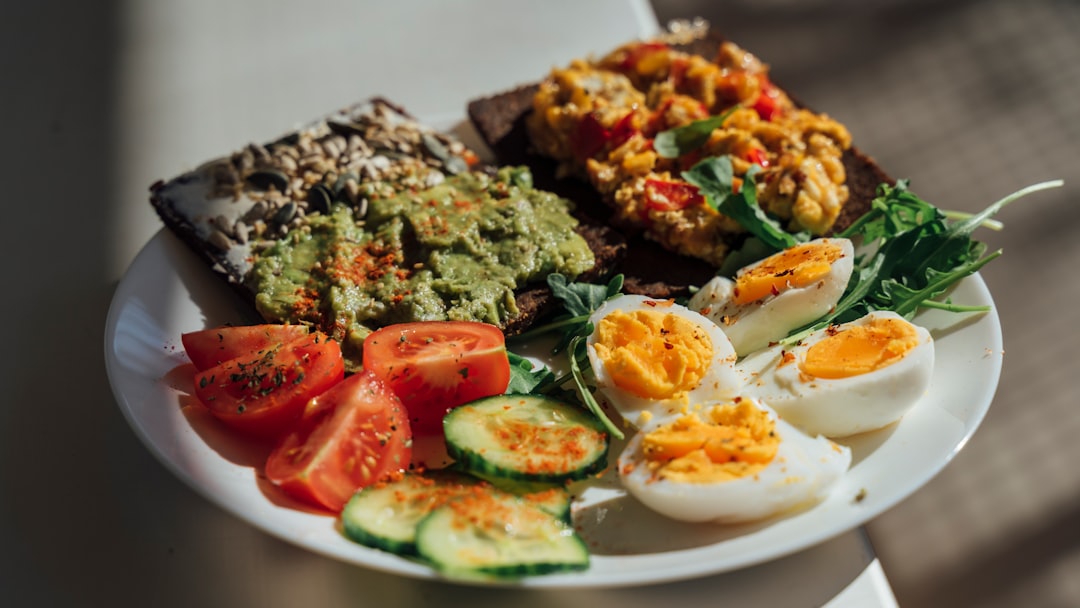
Start your week by planning three balanced meals per day with two light snacks. Each meal should contain a palm-sized portion of protein, at least half your plate filled with vegetables, and a small portion of wholegrain carbohydrates. For snacks, opt for fruit, nuts, or low-fat yoghurt. Prepare meals in advance to avoid last-minute high-calorie choices. Drink plenty of water and limit sugary drinks. Avoid calorie counting by focusing on portion sizes using hand measurements: one cupped hand of carbs, one palm of protein, and two fists of vegetables per meal. Track your feelings of fullness and adjust portions accordingly.
Frequently Asked Questions
How many calories does a UK woman need to eat to lose weight?
A UK woman typically needs between 1,400 and 1,800 calories per day to lose weight safely, depending on age, size, and activity level. This calorie range supports a deficit of around 500 calories daily, which usually leads to losing about 0.5kg per week according to NHS guidelines.
Can I lose weight without counting calories in the UK?
Yes, it is possible to lose weight without counting calories by focusing on balanced meals with plenty of vegetables, lean proteins, and whole grains. The NHS Eatwell Guide recommends filling half your plate with vegetables and choosing nutrient-dense foods to naturally reduce calorie intake.
What are the best UK foods to eat for weight loss?
Affordable UK supermarket foods such as frozen vegetables, canned beans, oats, and lean meats are excellent for weight loss. These foods provide fibre and protein, which help keep you full on fewer calories, as highlighted by Money Saving Expert and the British Nutrition Foundation.
How does protein help with weight loss for UK women?
Protein increases feelings of fullness and reduces appetite, helping to prevent overeating. The British Nutrition Foundation states that including enough protein in meals can support a calorie deficit by improving satiety, which is especially important for weight loss.
Is it better to count calories or focus on food quality to lose weight?
Focusing on food quality and portion control often leads to more sustainable weight loss than strict calorie counting. Balanced meals with nutrient-dense foods naturally create a calorie deficit without the stress of tracking every calorie, according to NHS guidance.
Stop paying someone to tell you what to do. Get the Kira Mei Women’s Blueprint for £49.99 and learn to build your own plans that work for you.
Disclaimer: This article is for informational purposes only and does not constitute medical, nutritional, or professional fitness advice. Always consult a qualified healthcare professional before making changes to your diet or exercise routine.
Leave a Reply